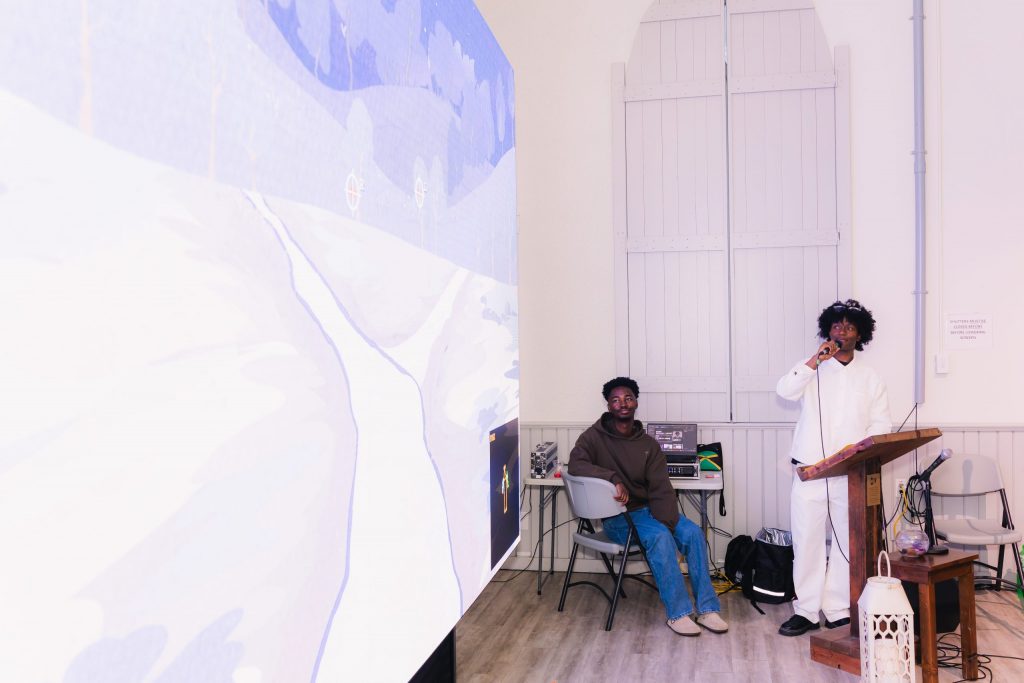
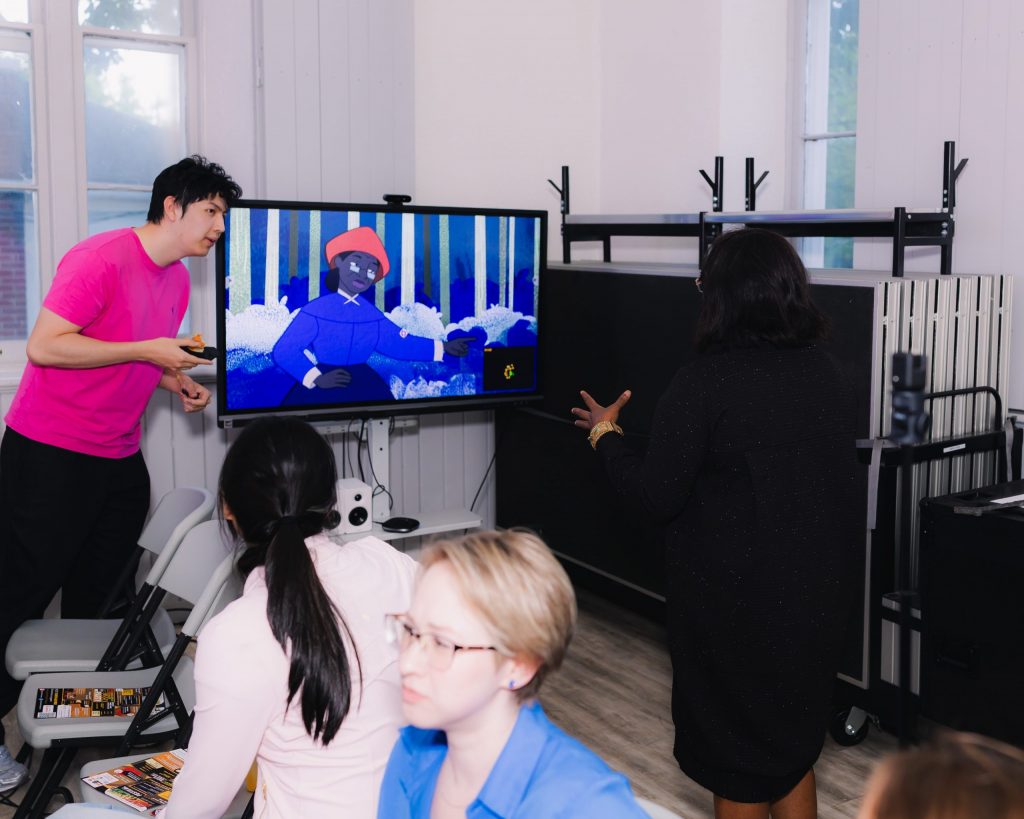
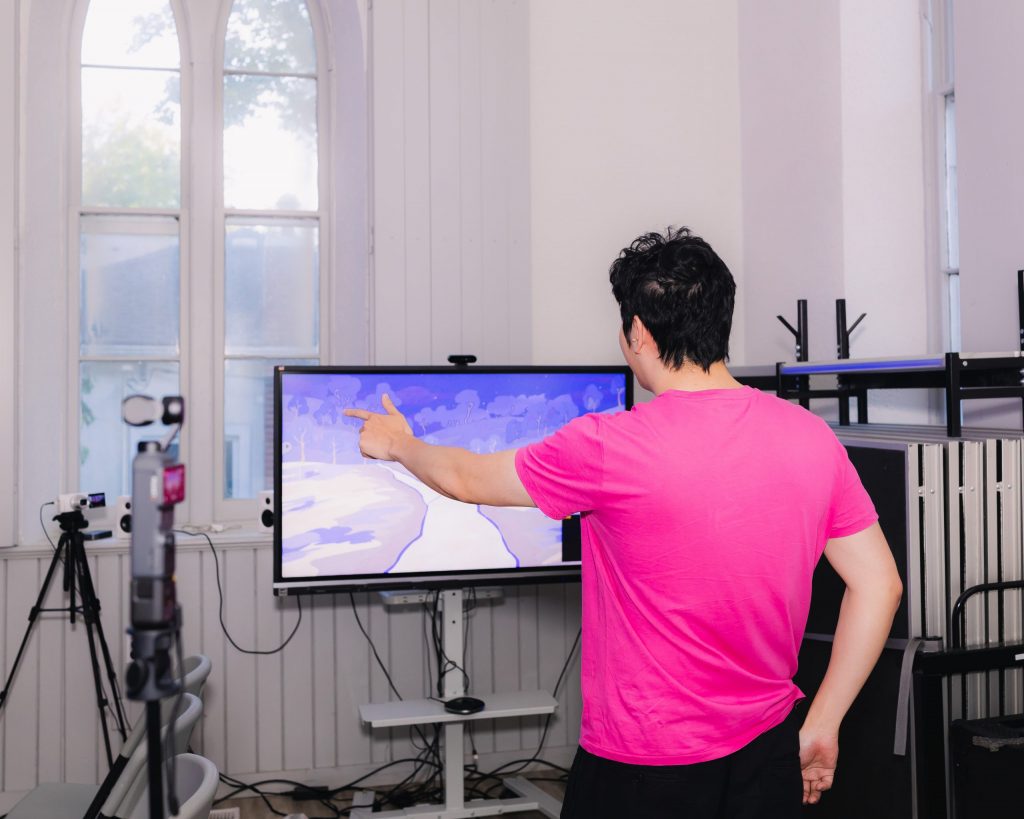
“The Quilt Awakens” is a large-screen interactive installation created by Messam Multimedia in partnership with the Guelph Black Heritage Society. Using only hand tracking and voice; no controllers, no headsets. Visitors step into the journey of the Underground Railroad as told through quilt codes, the secret patterns once sewn into cloth to guide freedom seekers north.
Guided by Auntie Liza, a composite of the conductors and elders who risked their lives to lead others to freedom, you’ll learn to read the signs: the Crossroads, the Flying Geese, the North Star, the Shoofly house that meant safety, the urgent call of the Tumbling Blocks. Across eleven scenes, you gather what’s needed, disguise yourself for the road and finally cross the Conestogo River – arriving at Queen’s Bush, the Wellington County settlement where over 1,500 free and formerly enslaved Black people built farms, schools and churches beginning in 1820.
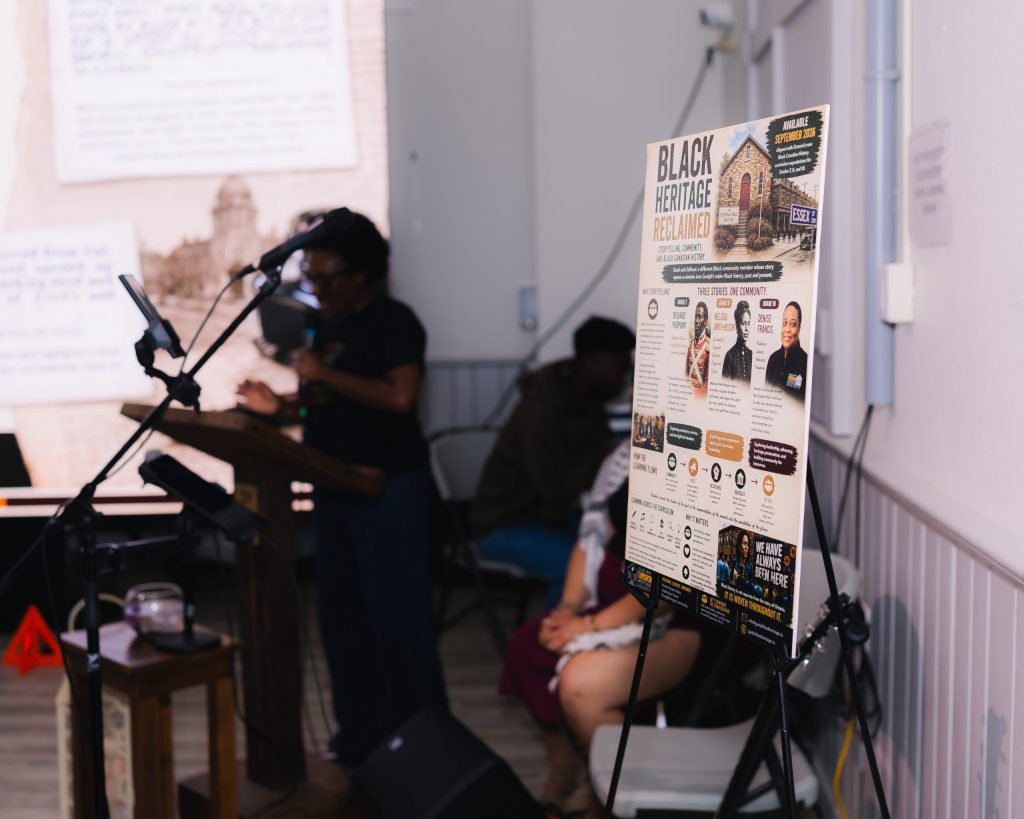
The Guelph Black Heritage Society (GBHS) is proud to introduce a new curriculum initiative designed to bring local Black history, community voices, and story-driven learning into classrooms across Ontario. Developed in partnership with the Turtle Island Center for Excellence in Environmental Research & Education (TIC), this project supports educators in teaching Black Canadian history through meaningful narratives, inquiry, and civic engagement.
This curriculum focuses on high-quality, story-centred educational experiences.
Black history is here — in our neighbourhoods, our archives, our community memories, and our lived experiences. This curriculum invites students to explore Black Canadian history through the power of storytelling.
Our story opens a window into many others
Three curriculum units have been developed for Grades 7, 8, and 10. Each unit includes a storytelling arc, structured lesson sequences, inquiry tasks, assessments, and alignment to Ontario curriculum expectations and the UN Sustainable Development Goals (SDGs).

Explore early Black settlement, resistance, and community-building in Upper Canada.
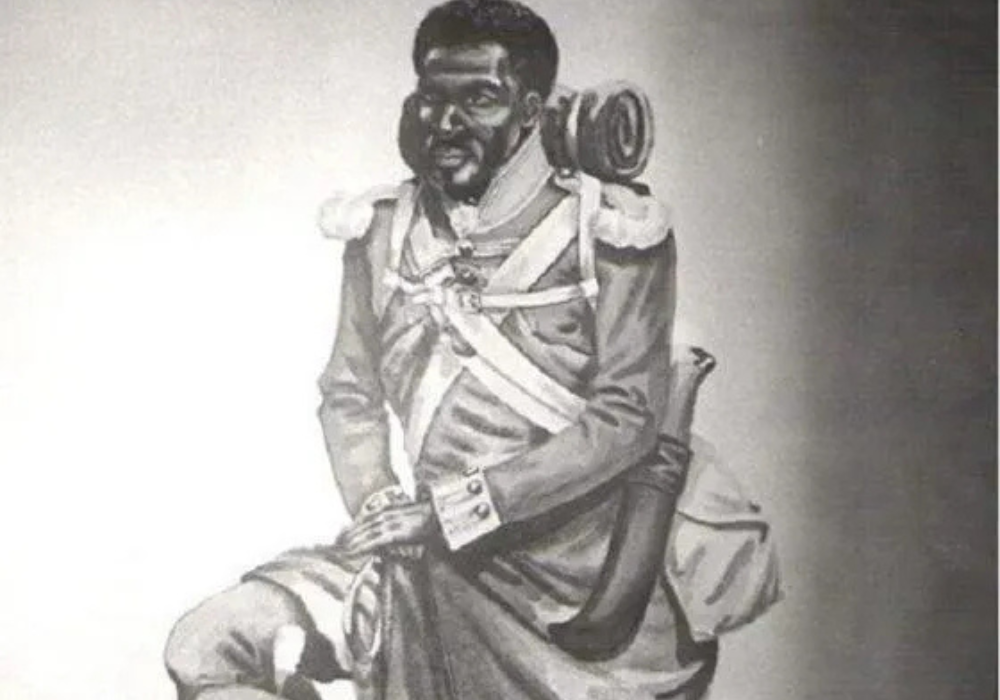
Journalist. Musician. Community leader. Students learn how Black voices used journalism, writing, and storytelling to speak truth, build community, and preserve memory.

A modern story of leadership, advocacy, and civic engagement rooted in local Black heritage.
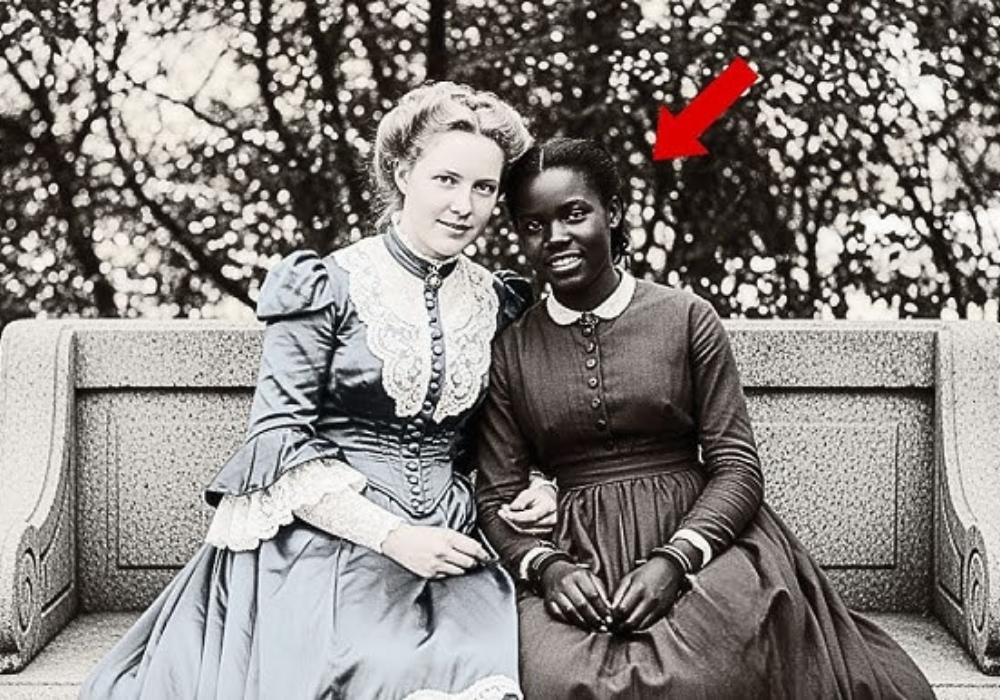
Black community life, relationships, culture, and local history.
Journalism, writing, and storytelling as tools for truth-telling and empowerment.
How Black communities resisted exclusion and fought for recognition.
Leadership in areas such as education, health, and civic participation.
Connecting past to present and inspiring students to create change in their communities.
These anchors help students understand that Black history is not distant — it is local, present, and foundational.
One of Ontario’s early free Black settlements
A hub of community connection
A landmark of Black resilience and cultural life
A community newspaper that uplifted Black voices.
Students engage with history through multiple forms of learning. Allowing them to connect, question, create and reflect.
To help teachers bring these stories to life, the following supports will be provided:
Pilot project support in selected classrooms
Webinar providing the framework and teaching approach
Pacing tools and guidance to enable teachers use the Curriculum
Curriculum-focused communications for schools and partners
The GBHS curriculum project strengthens community memory, supports educators, and ensures that Black Canadian history is taught with accuracy, dignity, and depth.
Black history matters. Our history. Our power. Our future.
"*" indicates required fields

The Guelph BME (British Methodist Episcopal) Church has stood at 83 Essex Street since 1880. The Guelph BME was built by formerly enslaved Black individuals and their descendants who arrived in the area via the Underground Railroad.